Panchakarma Therapy

Raktamokshana
Therapy

The process involves the removal of toxic blood from the body using specialized surgical instruments or through the controlled use of leeches, which help extract the impure blood.

Raktamokshana Ayurvedic Therapy
About Raktamokshana

Advanced Ayurvedic therapeutic practice.

Raktamokshana is an advanced Ayurvedic therapeutic practice designed to purify the blood by eliminating vitiated or impure blood, addressing various health concerns, and restoring overall well-being. As a vital component of Panchakarma therapy, Raktamokshana involves specialized techniques such as incision, venesection, leech therapy, and cupping, each tailored to target specific conditions and improve circulation. This treatment detoxifies the body, alleviates conditions like skin disorders, arthritis, and chronic ailments, and enhances blood flow for optimal health.

The process involves the removal of toxic blood from the body using specialized surgical instruments or through the controlled use of leeches, which help extract the impure blood.

Traditional modalities

Types of Raktamokshana

Pracchanna (Incision)

A vein or artery is punctured to release impure blood using a surgical knife or specialized instrument.

Sira Vyadha (Venesection)

Small incisions are made in veins to facilitate the flow of impure blood, drawing from Ayurvedic principles that differ from modern bloodletting.

Jalauka (Leech Therapy)

Leeches are applied to affected areas, drawing out impure blood while releasing therapeutic compounds through their saliva.

Alabu (Cupping Therapy)

Cups are placed on the skin to create a vacuum that draws out impure blood.

Therapeutic applications

Therapeutic Uses of Raktamokshana

Skin Disorders

Eczema, Psoriasis, Acne, Urticaria (hives)

Musculoskeletal System:

Joint disorders such as Rheumatoid arthritis, Gout, Osteoarthritis

Cardiovascular System

Poor-circulation-related back pain

Metabolic Disorders:

Diabetes, Obesity

Immunological Disorders:

Allergic conditions, Autoimmune disorders

Restorative care

Restorative Benefits of Raktamokshana

Key Benefits

  • Detoxifies blood by removing toxins.
  • Improves circulation
  • Instant pain relief.
  • Alleviates skin disorders, arthritis, and chronic ailments.

Additional Support

  • Complementary therapy alongside modern medicine.
  • Personalized to target specific areas/conditions.
The Anzee Ayurveda Way

Time-honored principles. Precision. Care.

At Anzee Ayurveda, we embrace the time-honored principles of Ayurveda to address the root causes of various health conditions with precision and care. Our Raktamokshana therapy is a key treatment used to purify the blood by removing accumulated toxins and impurities, which can result from factors such as environmental pollution, poor diet, and lifestyle habits. This therapeutic practice is highly effective in managing skin disorders, arthritis, gout, and other chronic ailments where toxin buildup plays a critical role.

Our team of expert Ayurvedic doctors and skilled Panchakarma therapists are dedicated to providing personalized care, ensuring the safe and effective application of Raktamokshana therapy. At Anzee Ayurveda, patient-centricity drives our approach, focused on holistic healing and long-term well-being.

Why choose us?

Safe, personalized Ayurvedic care.

At Anzee Ayurveda, Raktamokshana remains a powerful complementary therapy, particularly for conditions where conventional treatments may fall short or have adverse effects.

At Anzee Ayurveda, our expert Ayurvedic practitioners ensure safe and effective application of this traditional treatment, tailored to individual needs for optimal healing and health restoration.

Expert Ayurvedic practitioners

Personalized treatment by experienced Ayurvedic doctors and skilled Panchakarma therapists.

Patient-centric care

Focused on holistic healing and long-term well-being.

Safe application

Therapy is tailored to individual needs and conditions.

Complementary approach

Designed to work alongside appropriate modern medical care.

Important considerations

Treatment Limitations

Raktamokshana may not be suitable for everyone. The following limitations should be considered and discussed with a qualified practitioner before treatment.

Weakness
Anemia
Pregnancy
Elderly
Bleeding disorders
Hypotension
Infections
Malnutrition
Severe illness
Weak immunity
FAQ

Frequently Asked Questions

Clear answers to common questions about Raktamokshana therapy.

What are the different types of Raktamokshana therapy ?
Pracchanna involves puncturing veins or arteries to release impure blood. Sira Vyadha involves small vein incisions, similar to modern bloodletting techniques but with Ayurvedic philosophy. Jalauka uses leech therapy, which sucks out blood with bioactive compounds. Alabu uses cups on the skin to create a vacuum, drawing out impure blood. These methods differ in their approach and working modalities.
What conditions can Raktamokshana treat?
Raktamokshana is traditionally described for a range of conditions, including skin disorders, musculoskeletal complaints, circulation-related concerns, metabolic disorders, and allergic or immunological conditions. Suitability should be assessed individually by a qualified Ayurvedic practitioner.
Is Raktamokshana safe?
Safety depends on the technique, the individual's health status, and appropriate clinical supervision. Because some methods involve blood removal or skin penetration, treatment should be performed only after professional assessment by qualified practitioners.
How often should Raktamokshana therapy be performed?
There is no single schedule suitable for everyone. Frequency depends on the selected method, the condition being addressed, the individual's constitution and overall health, and the Ayurvedic practitioner's treatment plan.
Are there any side effects of Raktamokshana?
Possible effects can vary according to the technique and individual response. Temporary soreness, bruising, bleeding, weakness or local skin reactions may occur. Your practitioner should explain the expected effects and relevant risks before treatment.
Do I need to follow any specifi c post-treatment care instructions?
Yes. Post-treatment instructions can vary according to the technique used and your individual condition. Follow the specific guidance provided by your Ayurvedic practitioner regarding rest, hydration, food, wound or skin care, and when to seek further medical attention.

Raktamokshana

The process involves the removal of toxic blood from the body using specialized surgical instruments or through the controlled use of leeches, which help extract the impure blood.
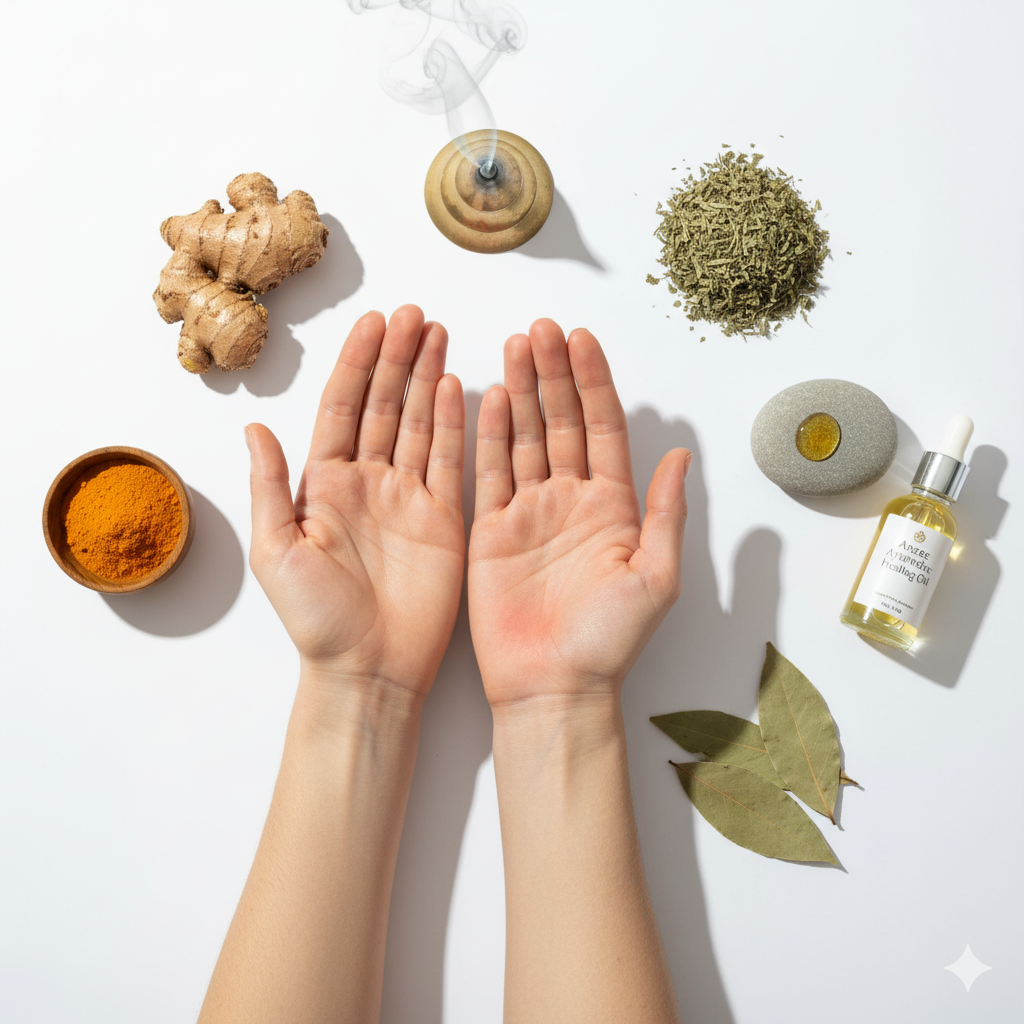
Raktamokshana is an advanced Ayurvedic therapeutic practice designed to purify the blood by eliminating vitiated or impure blood, addressing various health concerns, and restoring overall well-being. As a vital component of Panchakarma therapy, Raktamokshana involves specialized techniques such as incision, venesection, leech therapy, and cupping, each tailored to target specific conditions and improve circulation. This treatment detoxifies the body, alleviates conditions like skin disorders, arthritis, and chronic ailments, and enhances blood flow for optimal health.

Raktamokshana

The process involves the removal of toxic blood from the body using specialized surgical instruments or through the controlled use of leeches, which help extract the impure blood.
Raktamokshana is an advanced Ayurvedic therapeutic practice designed to purify the blood by eliminating vitiated or impure blood, addressing various health concerns, and restoring overall well-being. As a vital component of Panchakarma therapy, Raktamokshana involves specialized techniques such as incision, venesection, leech therapy, and cupping, each tailored to target specific conditions and improve circulation. This treatment detoxifies the body, alleviates conditions like skin disorders, arthritis, and chronic ailments, and enhances blood flow for optimal health.
Types of Raktamokshana
Pracchanna (Incision)

 A vein or artery is punctured to release impure blood using a surgical knife or specialized instrument.

Sira Vyadha (Venesection)

 Small incisions are made in veins to facilitate the flow of impure blood, drawing from Ayurvedic principles that differ from modern bloodletting.

Jalauka (Leech Therapy)

 Leeches are applied to affected areas, drawing out impure blood while releasing therapeutic compounds through their saliva.

Alabu (Cupping Therapy)

 Cups are placed on the skin to create a vacuum that draws out impure blood.

Therapeutic Uses of Raktamokshana

Restorative Benefits of Raktamokshana

The Anzee Ayurveda Way

At Anzee Ayurveda, we embrace the time-honored principles of Ayurveda to address the root causes of various health conditions with precision and care. Our Raktamokshana therapy is a key treatment used to purify the blood by removing accumulated toxins and impurities, which can result from factors such as environmental pollution, poor diet, and lifestyle habits. This therapeutic practice is highly effective in managing skin disorders, arthritis, gout, and other chronic ailments where toxin buildup plays a critical role.

Our team of expert Ayurvedic doctors and skilled Panchakarma therapists are dedicated to providing personalized care, ensuring the safe and effective application of Raktamokshana therapy. At Anzee Ayurveda, patient-centricity drives our approach, focused on holistic healing and long-term well-being.

Why choose us?

At Anzee Ayurveda, Raktamokshana remains a powerful complementary therapy, particularly for conditions where conventional treatments may fall short or have adverse effects. At Anzee Ayurveda, our expert Ayurvedic practitioners ensure safe and effective application of this traditional treatment, tailored to individual needs for optimal healing and health restoration.

Treatment Limitations

FAQ

What are the different types of Raktamokshana therapy ?

Pracchanna involves puncturing veins or arteries to release impure blood. Sira Vyadha involves small vein incisions, similar to modern bloodletting techniques but with Ayurvedic philosophy. Jalauka uses leech therapy, which sucks out blood with bioactive compounds. Alabu uses cups on the skin to create a vacuum, drawing out impure blood. These methods differ in their approach and working modalities.

What conditions can Raktamokshana treat?

Raktamokshana is benefi cial for conditions such as skin disorders (eczema, psoriasis), joint problems (arthritis, gout), circulatory issues (hypertension, varicose veins), and metabolic disorders (diabetes, obesity), among others.

Is Raktamokshana safe?

When performed by trained Ayurvedic practitioners, Raktamokshana is completely safe. However, it’s not suitable for everyone, particularly those with conditions like anemia, bleeding disorders, or weakened immunity.

How often should Raktamokshana therapy be performed?

The frequency of Raktamokshana therapy may vary depending on individual health needs and Ayurvedic doctor’s recommendations. It can be performed in one sitting or intermittently in multiple sittings as needed for specifi c conditions.

Are there any side effects of Raktamokshana?

Side effects of Raktamokshana may include temporary discomfort, bruising, or mild pain at the site of therapy. However, serious complications are rare when performed by skilled practitioners in a controlled environment.

Do I need to follow any specifi c post-treatment care instructions?

Yes, following post-treatment care instructions provided by your Ayurvedic doctor is crucial. This is called Pashcat Karma and includes dressing of the site, certain dietary recommendations, lifestyle adjustments, and any follow-up appointments to ensure the best outcomes.