
You should consume light, freshly prepared, and easily digestible meals—such as warm soups, porridges, and herbal teas—while avoiding heavy, oily, or processed foods. Gentle yoga, meditation, and adequate sleep are also encouraged to maintain harmony and support continued healing.
Paschatkarma
This outlines the post-treatment care, including the recommended diet and lifestyle regimen.
This outlines the post-treatment care, including the recommended diet and lifestyle regimen.
At Anzee Ayurveda, our Paschatkarma (post-treatment care) embodies our mission to provide holistic and patient-centric healing by restoring balance and promoting sustainable wellness. This phase of Panchakarma therapy focuses on guiding patients back to a healthy diet and lifestyle while ensuring the lasting benefits of the cleansing procedures.Paschatkarma treatments aim to correct imbalances in the Doshas—Vata, Pitta, and Kapha—through carefully tailored therapies, diet plans, and lifestyle regimens. This stage not only reinforces the effects of detoxification but also helps prevent the recurrence of imbalance by emphasizing the importance of adhering to the doctor’s recommendations. Reverting to old habits can facilitate toxin accumulation, hindering the healing process.
Paschatkarma
This outlines the post-treatment care, including the recommended diet and lifestyle regimen.
This outlines the post-treatment care, including the recommended diet and lifestyle regimen.
At Anzee Ayurveda, our Paschatkarma (post-treatment care) embodies our mission to provide holistic and patient-centric healing by restoring balance and promoting sustainable wellness. This phase of Panchakarma therapy focuses on guiding patients back to a healthy diet and lifestyle while ensuring the lasting benefits of the cleansing procedures.Paschatkarma treatments aim to correct imbalances in the Doshas—Vata, Pitta, and Kapha—through carefully tailored therapies, diet plans, and lifestyle regimens. This stage not only reinforces the effects of detoxification but also helps prevent the recurrence of imbalance by emphasizing the importance of adhering to the doctor’s recommendations. Reverting to old habits can facilitate toxin accumulation, hindering the healing process.
Our therapies in this phase are personalized to suit individual conditions and include restorative treatments such as:
Elakizhi
Herbal pouches with medicinal leaves to reduce inflammation and strengthen muscles.
Njarangakizhi
Pouches containing lemon and herbs for relieving pain and improving circulation.
Dhanyakizhi
Grain-based pouches to detoxify and rejuvenate.
Njavarakizhi
Medicinal rice gruel pouches for tissue nourishment and stress relief.
Njavaratheppu
Medicinal rice paste for deep tissue nourishment.
Pizhichil
Lukewarm medicated oil poured over the body for rejuvenation and relaxation.
Kashaya Dhara
Medicated decoction poured over the body to balance Doshas.
Thalapothichil
Medicated paste applied to the head to calm the mind and promote sleep.
Thakradhara
Medicated buttermilk poured over the forehead for mental clarity and stress relief.
Ksheeradhara
Medicated milk therapy to nourish and rejuvenate the body and mind.
Additionally, specialized Upakarma treatments may be recommended to address specific areas such as the eyes, ears, head, or neck, ensuring comprehensive care. Guided by expert Ayurvedic physicians and skilled therapists, Anzee Ayurveda’s Paschatkarma program aligns with our vision to empower individuals with lasting health and balance. This meticulous approach reinforces our commitment to helping patients achieve holistic well-being through authentic and precise Ayurvedic practices.
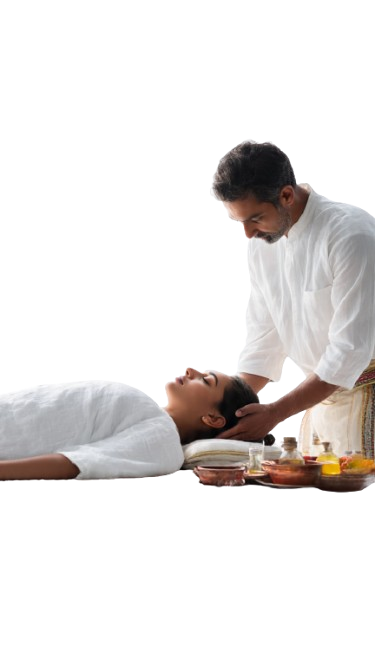
The Anzee Ayurveda Way
At Anzee Ayurveda, Panchakarma therapy is a cornerstone of our commitment to holistic healing, focusing on detoxifying the body, restoring Dosha balance, and promoting overall well-being. This transformative process is carried out in three meticulously designed stages:
Poorvakarma
Preparatory procedures that prepare the body for detoxification. These methods help accumulate toxins from the body’s tissues, directing them to the alimentary canal and nearest excretory sites for effective elimination.
Pradhanakarma
The core phase of Panchakarma, where the primary cleansing therapies are performed to eliminate accumulated toxins and impurities, paving the way for rejuvenation and balance.
Paschatkarma
The post-treatment phase, focused on reintroducing a balanced diet and lifestyle. This stage emphasizes sustaining the benefits of detoxification by aligning the patient with healthy habits and a Dosha-specific regimen.
Why choose Paschatkarma
This comprehensive therapy utilizes five cleansing procedures to correct imbalances in the Doshas—Vata, Pitta, and Kapha—restoring their inherent harmony and ensuring long-term health. At Anzee Ayurveda, our expert practitioners ensure that each stage is tailored to the unique needs of the individual, reflecting our vision to empower patients with sustainable wellness and a balanced, vibrant life.
Elements of the Paschatkarma
- Vamana (emesis therapy)
- Virechana (purgation therapy)
- Nasya (nasal therapy)
- Vasti (enema)
- Raktamokshana (bloodletting)
FAQ
What is the purpose of Paschatkarma in Panchakarma therapy?
Paschatkarma helps the body gradually return to a balanced and healthy state after detoxification. It ensures the cleansing process remains effective by reinforcing proper diet, rest, and lifestyle habits that align with one’s Dosha balance.
How long should I follow the Paschatkarma routine after my treatment?
The duration varies based on your body type, the treatment received, and the extent of detoxification. Generally, practitioners recommend following the prescribed diet and lifestyle regimen for at least 3–4 weeks to sustain long-term benefits.
What kind of food and lifestyle should I maintain during Paschatkarma?