
Padabahyanga
Padabahyanga
Therapeutic Uses of Padabahyanga
- Insomnia
- Fatigue
- Headaches and migraines
- Anxiety
- Stress-related conditions
- Depression
- Foot-related issues
- Poor blood circulation
- Neurological conditions
Restorative Benefits of Padabahyanga
- Promotes relaxation and reduces stress
- Improves circulation in the feet and throughout the body
- Balances the doshas according to Ayurvedic principles
- Enhances mental clarity and focus
- Relieves fatigue and promotes better sleep quality
- Alleviates headaches and anxiety
- Helps to rejuvenate and invigorate the entire body
The Anzee Ayurveda Way
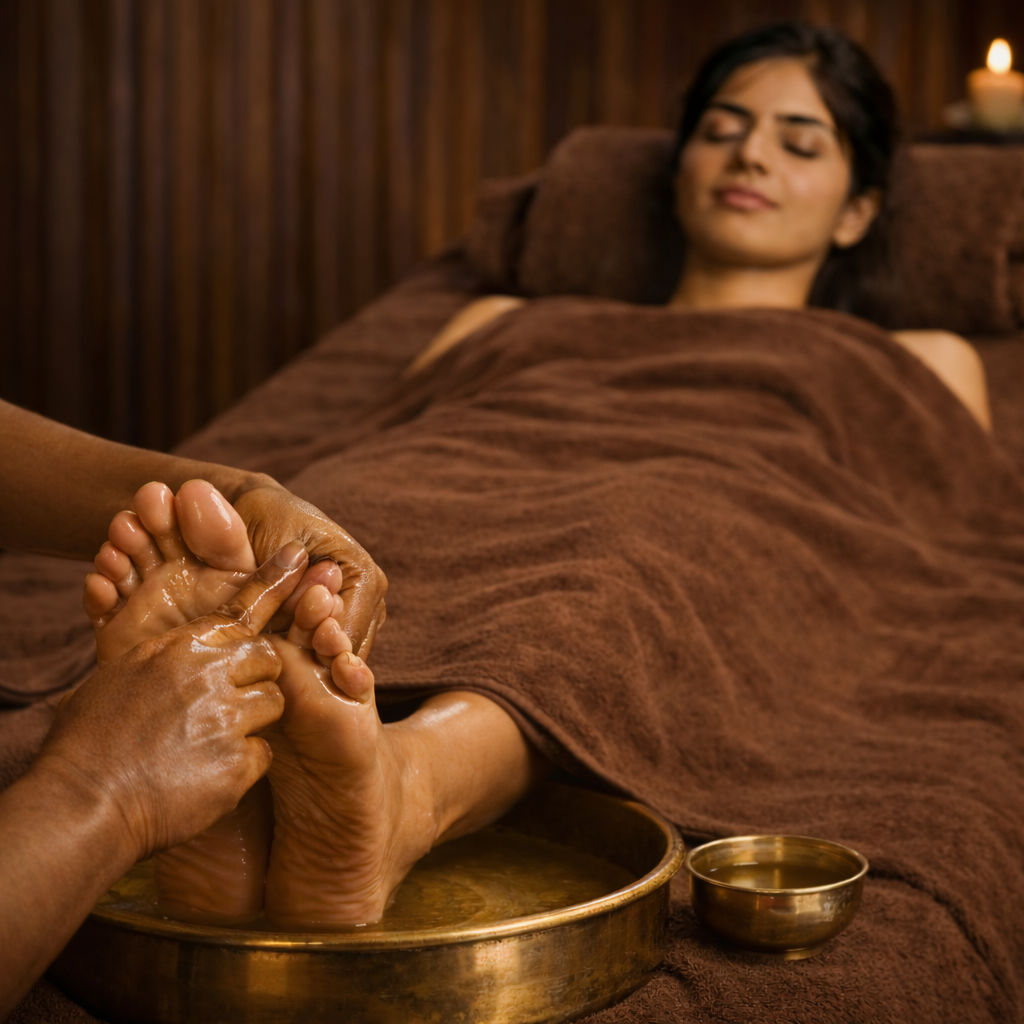
At Anzee Ayurveda, we focus on precision Ayurveda treatments that address the root causes of health imbalances through time-tested principles. Padabhayanga, a specialized form of Abhyanga, is used to treat a variety of acute and chronic musculoskeletal and circulatory conditions. This rejuvenating therapy also helps combat the effects of stress, poor posture, and physical exertion, restoring balance and vitality to the body.
Why choose us?
At Anzee Ayurveda, we emphasize the safe, effective application of this rejuvenating therapy under the guidance of our skilled Ayurvedic doctors and therapists. We ensure each treatment is personalized to support your health, balance, and well-being, aligning with our mission to provide holistic, transformative care tailored to your unique needs.
Our experienced Ayurvedic doctors and skilled Panchakarma therapists offer personalized care, ensuring the safe and effective application of Padabhayanga to meet individual needs. At Anzee Ayurveda, patient centricity is at the heart of our approach, and we are committed to delivering holistic treatments that promote overall well-being and harmony.
Treatment Limitations
- Open wounds or infections on the feet
- Severe varicose veins
- Deep vein thrombosis (DVT)
- Infectious skin conditions
- Recent foot injuries or surgeries
- Severe peripheral neuropathy
FAQ
The frequency of Padabhayanga sessions can vary depending on individual needs and preferences. Some people may benefit from weekly sessions, while others may find monthly sessions sufficient for maintaining overall well-being
Yes, Padabhayanga can be performed at home with the help of a trained therapist or by following proper techniques and using suitable oils. However, it’s advisable to learn the correct method from an experienced practitioner to ensure safety and effectiveness.
People with open wounds, severe varicose veins, infectious skin conditions, or certain medical conditions like deep vein thrombosis should avoid Padabhayanga or seek medical advice before undergoing therapy.
The number of sessions required varies depending on the severity and nature of the condition being treated. However, typically a course of multiple sessions, ranging from 5 to 7 or more, may be recommended to achieve optimal results.
Abhyangam is a generally safe procedure. However, some individuals may experience mild soreness or redness. Any discomfort is usually transient and part of the body's healing process.
Yes, Abhyangam is known for its positive impact on musculoskeletal health. It helps alleviate muscle stiffness and joint discomfort and is often recommended for conditions like arthritis, back pain, and spasms. Abhyangam is beneficial for addressing postural issues and relieving back pain, contributing to improved muscle flexibility and joint health.